
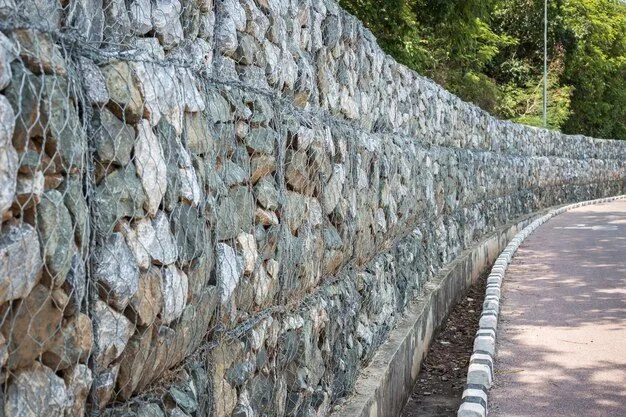
The Importance of Retaining Walls in Landscaping
Retaining walls are vital components in landscaping that not only enhance the aesthetic appeal of an outdoor space but also serve crucial structural purposes. This blog post explores the significance of retaining walls, their benefits, and how they can prevent soil erosion effectively.
What Are Retaining Walls?
Retaining walls are specially designed structures that hold back soil and prevent it from eroding. They are commonly used in landscaping to create level areas on sloped terrains, making it easier to utilize the land effectively.
Benefits of Retaining Walls
- Prevent Soil Erosion: Retaining walls help to stabilize soil on slopes, preventing it from washing away during heavy rains.
- Create Usable Space: They allow for the creation of flat areas in sloped yards, making them more functional for gardens, patios, and other landscaping features.
- Enhance Aesthetic Appeal: Retaining walls can be constructed from various materials, adding visual interest and elegance to outdoor spaces.
- Improve Drainage: Properly designed retaining walls can help manage water drainage, directing water away from structures and preventing flooding.
- Increase Property Value: Well-constructed retaining walls can enhance the overall value of a property by improving its landscape and structural integrity.
Types of Retaining Walls
There are several types of retaining walls, each suited for different situations and aesthetic preferences. The most common types include:
- Gravity Walls: Use their weight to resist pressure from behind, typically made of heavy materials like concrete or stone.
- Cantilever Walls: Constructed using a horizontal slab and a vertical stem, these walls utilize leverage to hold back soil.
- Anchored Walls: Use cables or other anchoring systems to provide additional support, ideal for high walls.
- Sheet Piling Walls: Made from steel, vinyl, or wood, these walls are driven into the ground and are ideal for soft soil conditions.
How Retaining Walls Prevent Soil Erosion
Soil erosion can lead to significant landscaping issues, including loss of plant life and structural instability. Retaining walls work by:
- Holding Back Soil: They physically prevent soil from sliding downhill.
- Redirecting Water: By controlling water flow, they reduce the impact of rainfall on soil stability.
- Creating Terraces: Multi-tiered retaining walls can slow down water runoff and allow plants to establish deeper roots.
Choosing the Right Retaining Wall for Your Landscape
When selecting a retaining wall for your landscaping project, consider the following factors:
- Height of the Wall: Determine how high the wall needs to be to effectively prevent erosion.
- Material: Choose a material that fits your aesthetic and budget, while also considering durability.
- Soil Type: Understand the type of soil in your area to select a wall that can withstand the pressure.
- Local Regulations: Check for any zoning laws or building codes that may affect wall construction.
Maintenance of Retaining Walls
Maintaining retaining walls is essential for their longevity and effectiveness. Key maintenance tips include:
- Regular Inspections: Check for signs of damage, such as cracks or bulging.
- Drainage Maintenance: Ensure that drainage systems are functioning properly to avoid water buildup.
- Weed Control: Remove weeds and vegetation that may compromise the wall's integrity.
- Repairs: Address any issues immediately to prevent further damage.
Conclusion
Retaining walls are an essential aspect of effective landscaping that provides both functional and aesthetic benefits. By preventing soil erosion, creating usable space, and enhancing property value, these structures are a worthy investment for any landscape. Whether you're looking to build a new retaining wall or maintain an existing one, understanding the importance and functionality of these structures is crucial. For expert assistance, consider reaching out to professionals like New Roots Landscaping LLC, who can help design and construct the perfect retaining wall for your needs.