
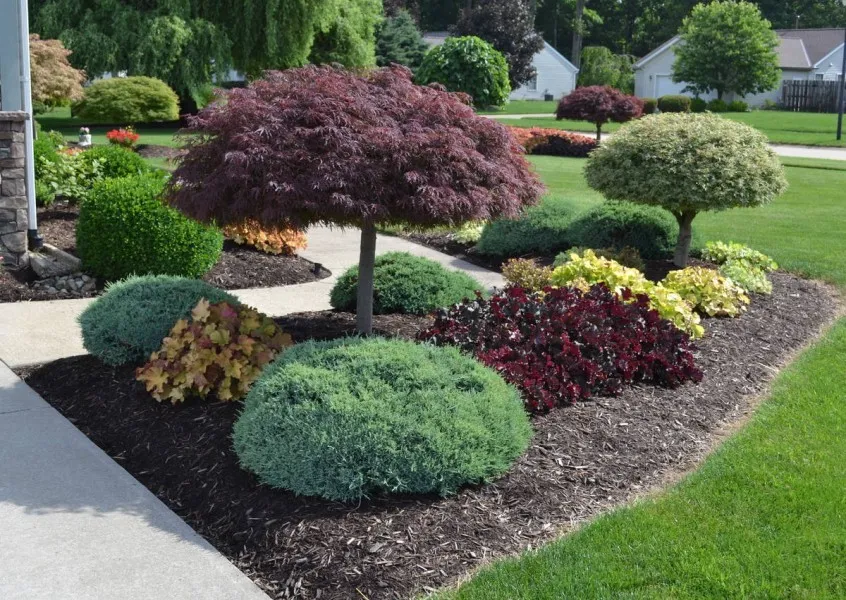
Choosing the Right Plants for Your Landscape
Selecting the right plants for your landscape is crucial for creating a beautiful, sustainable, and functional outdoor space. The right choices can enhance the aesthetic appeal of your property, improve its value, and provide a thriving habitat for local wildlife. In this guide, we will explore essential tips and considerations for plant selection, ensuring that your landscaping project is successful.
Understanding Your Landscape
Before diving into plant selection, it’s important to evaluate your landscape's unique characteristics. Here are key factors to consider:
- Climate zone: Understand your local climate zone to choose plants that will thrive.
- Soil type: Conduct a soil test to determine pH and nutrient levels.
- Sun exposure: Observe areas that receive full sun, partial shade, or full shade.
- Water drainage: Assess how well your soil drains, as some plants prefer moist conditions, while others require dry soil.
Choosing the Right Plants
When selecting plants, it's essential to consider the following criteria to ensure compatibility with your landscape:
- Native plants: Opt for native species that are adapted to your area's climate and soil conditions.
- Diversity: Incorporate a variety of plants to create a more resilient landscape and attract different wildlife.
- Maintenance level: Consider the time and resources you can dedicate to plant care.
- Aesthetic appeal: Choose plants that complement each other in color, texture, and form.
Plant Grouping Strategies
Grouping plants effectively can enhance the overall design and health of your landscape. Here are some strategies:
- Layering: Place taller plants at the back or center of beds, with shorter plants in front to create depth.
- Color blocking: Group plants by color to create vibrant focal points.
- Seasonal interest: Choose plants that bloom at different times to ensure year-round color and interest.
Sustainability in Plant Selection
Incorporating sustainable practices in your landscaping can lead to long-term benefits for the environment. Consider the following:
- Drought-resistant plants: Use xeriscaping principles to minimize water usage.
- Pollinator-friendly plants: Choose flowers that attract bees, butterflies, and other beneficial insects.
- Organic practices: Avoid synthetic fertilizers and pesticides to promote a healthier ecosystem.
Consulting with Professionals
If you’re uncertain about your plant selection or landscape design, consulting with a landscaping professional can provide valuable insights and assistance. A professional can help you:
- Evaluate your site conditions accurately.
- Select plants that suit your aesthetic and functional goals.
- Design a cohesive landscape plan that meets your needs.
Conclusion
Choosing the right plants for your landscape is a significant decision that requires careful consideration of various factors. By understanding your landscape, selecting appropriate plants, employing effective grouping strategies, and prioritizing sustainability, you can create a stunning and functional outdoor space. Whether you choose to tackle this project yourself or seek professional help, informed plant selection will lead to a thriving landscape that enhances your property for years to come.